![[company_name], [city], [postcode]](https://mattsmasonrycontractors.com/wp-content/uploads/2025/10/dad173923b9c48969fa92a9a626c3267.webp)
Request a Quote
Matt's Masonry Contractors
As a trusted provider of masonry and tuckpointing services, our company has been serving the community for many years. We specialize in providing high-quality services that not only improve the appearance of your home but also its structural integrity. Whether you need tuckpointing, brick repair, or decorative stonework, we can handle it all with professionalism and attention to detail. We believe that every project is an opportunity to demonstrate our commitment to excellence, and we are dedicated to delivering results that stand the test of time. Our focus on craftsmanship, customer service, and reliability sets us apart from the competition.
- Expert brick and mortar repair with detailed project planning.
- Skilled craftsmanship using high-quality materials.
- Clean, efficient work with full post-job inspection.

Our Expert Masonry and Tuckpoitning Services
Brick Chimney Repair
Tuckpointing
Brick Fireplaces
Masonry
Pressure Washing
Lintel Repair
A Clear, Step-by-Step Process for Every Project
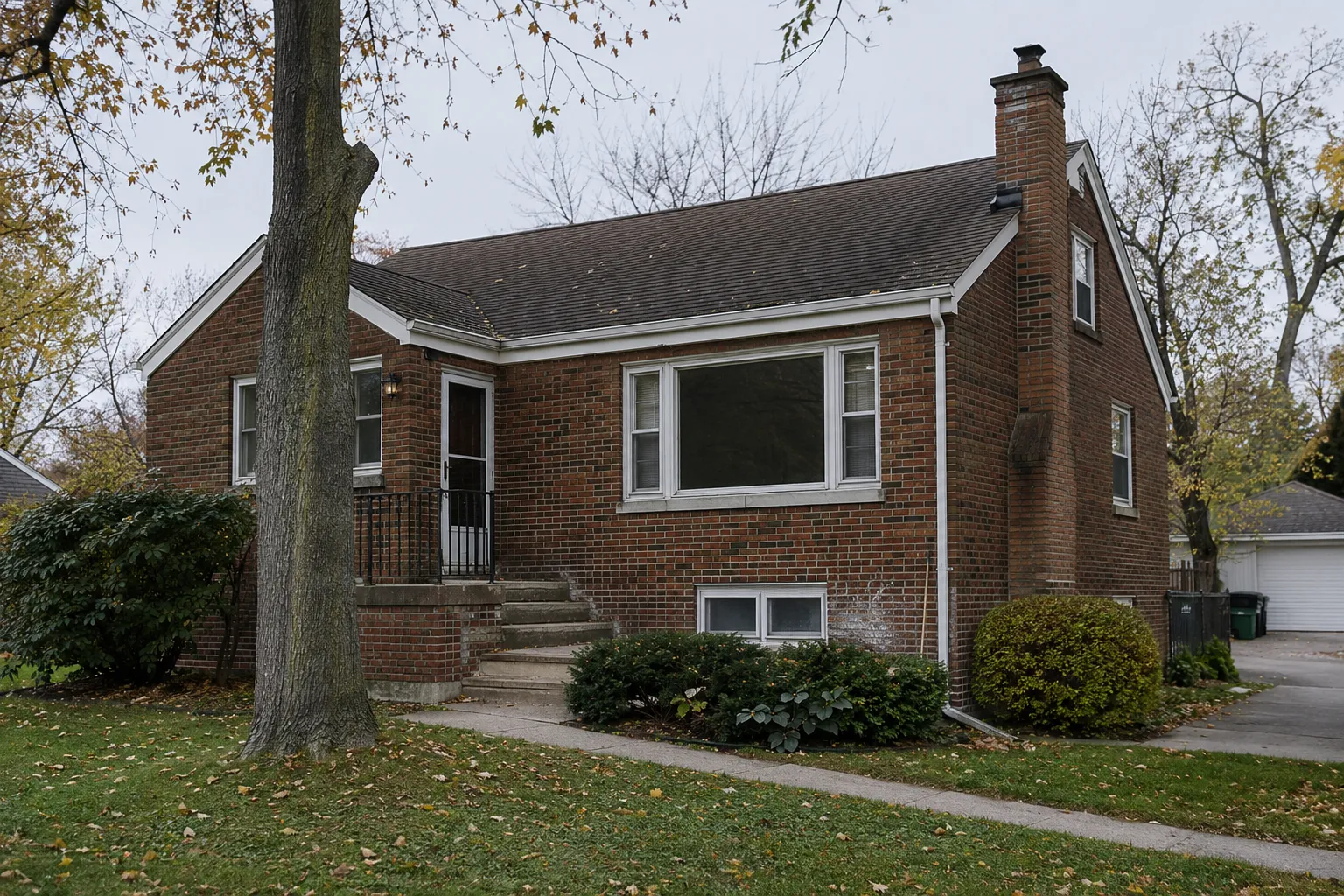

Inspection & Consultation
Detailed Estimate & Planning
Masonry or Tuckpointing Work
Final Review & Cleanup
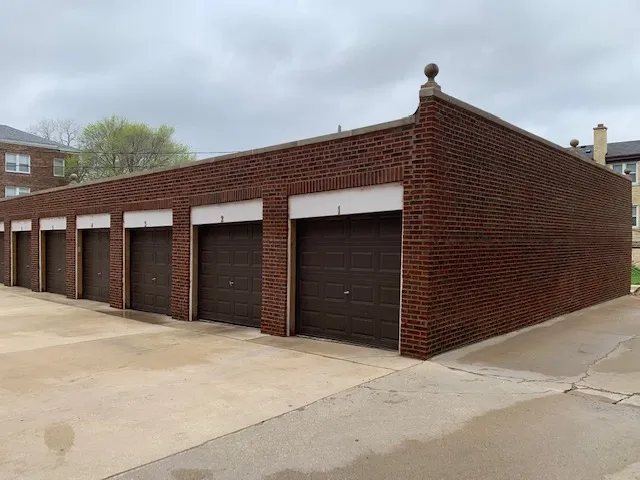
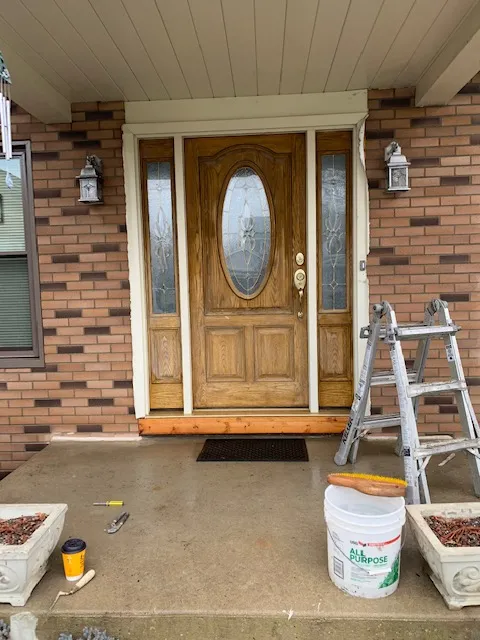

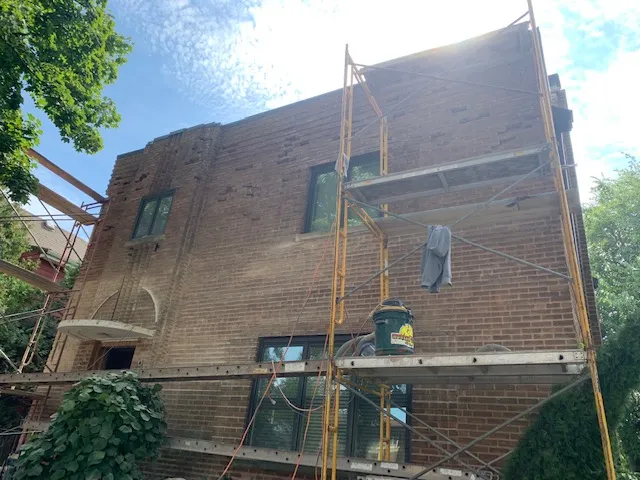
Tuckpointing Is About More Than Filling Cracks
Reduces moisture entry
Sound mortar joints reduce direct pathways for water through the exterior face of the masonry.
Preserves surrounding brick
A compatible repair avoids placing unnecessary stress on older or softer masonry units.
Addresses actual joint failure
Deteriorated mortar is removed rather than hidden beneath a shallow cosmetic layer.
Restores joint depth and profile
Properly packed and tooled mortar rebuilds the joint as part of the wall, not as a surface coating.
What Happens Above a Window Matters to the Wall Around It
Load Support
A lintel carries masonry across an opening, so excessive bending or inadequate support can create cracking in the brickwork above.
Steel Condition
Unprotected steel exposed to harsh conditions requires maintenance because corrosion can compromise the lintel area over time.
Moisture Control
Flashing and weeps around lintels help collect water within the wall and direct it back to the exterior.
Material Movement
Brick and steel respond differently to temperature and moisture, making movement detailing an important part of the opening.
A Crack Is a Symptom. The Pattern Tells the Story.
Observe the Pattern
A diagonal crack near an opening tells a different story than an eroded horizontal joint or a vertical separation near a building corner.
Trace Moisture Paths
Open mortar joints, failed sealant, damaged flashing, and blocked drainage points can allow moisture to reach areas where it remains hidden.
Consider Movement
Brickwork changes dimension with temperature and moisture. When normal movement is restrained or neighboring materials move differently, stress can develop in the masonry.
Repair the Cause
The correct response may involve repointing, replacing damaged brick, restoring drainage, repairing a lintel, or addressing a movement condition. The visible crack is not always the entire problem.
Why Brick Has Remained at Home in Illinois
Masonry damage is easier to understand when the wall is treated as a system rather than a collection of individual bricks. The location, direction, and shape of a crack can provide useful clues. Brick Industry Association guidance notes that crack patterns often help indicate whether distress is connected to movement, settlement, or deflection.
Fired Masonry Units
Brick is a fired ceramic material. Its physical properties and resistance to freezing conditions depend partly on the unit itself and on how much moisture is present within its pore structure.
Freeze-Thaw Is Really a Moisture Issue
Freezing becomes more damaging when masonry approaches saturation. Good detailing aims to reduce prolonged saturation so water does not remain trapped in the wall during freezing conditions.
Walls Are Allowed to Move
Brickwork changes with temperature and also undergoes moisture-related expansion. Proper movement joints help prevent normal dimensional changes from becoming unwanted cracking.
The Wall Can Be Maintained
Mortar joints, sealants, weeps, flashing, and individual damaged bricks can be inspected and repaired as conditions develop. That maintainability is an important part of long-term masonry performance.
Masonry damage is easier to understand when the wall is treated as a system rather than a collection of individual bricks. The location, direction, and shape of a crack can provide useful clues. Brick Industry Association guidance notes that crack patterns often help indicate whether distress is connected to movement, settlement, or deflection.
![[company_name], [city], [postcode]](https://mattsmasonrycontractors.com/wp-content/uploads/2025/10/39f8baf62ab240aaa427383db040fc50.webp)